

Why I Photograph Quietly: Observation, Mental Space, and the City.
A short observational essay exploring street photography, urban wildlife, mental health, and how environments shape attention and emotional experience.
Quiet Photography
Street photography is often associated with movement, confrontation, and decisive moments. My experience has been very different. Over time, I’ve realised that I photograph quietly.
Photography, for me, is less about chasing moments and more about noticing them.
I walk slowly. I watch. I wait. Sometimes nothing happens and that is often the point.
As both a photographer and a mental health nurse, I’ve become increasingly interested in how attention shapes experience. Carrying a camera changes how I move through cities, coastlines, and public spaces. It encourages presence rather than urgency. Photography becomes a way of observing the world without needing to control it.

Street photograph by Jay Kronis, London
Photography as Observation Rather Than Performance
In contemporary street photography culture, there can be pressure to be bold, visible, or intrusive. My approach sits at the opposite end of that spectrum. I’m drawn to moments that exist naturally: people lost in thought, small gestures, light falling across ordinary scenes, or brief alignments between humans and their surroundings.
Quiet photography allows space for ambiguity. The images don’t demand attention; they invite it.
This way of working aligns closely with ideas explored in documentary photography and observational practice. Rather than constructing narratives, I try to notice what already exists, fleeting emotional atmospheres within everyday environments.
Many of my photographs happen when I’m not actively searching for a subject. Instead, I’m responding to mood, rhythm, and environment.
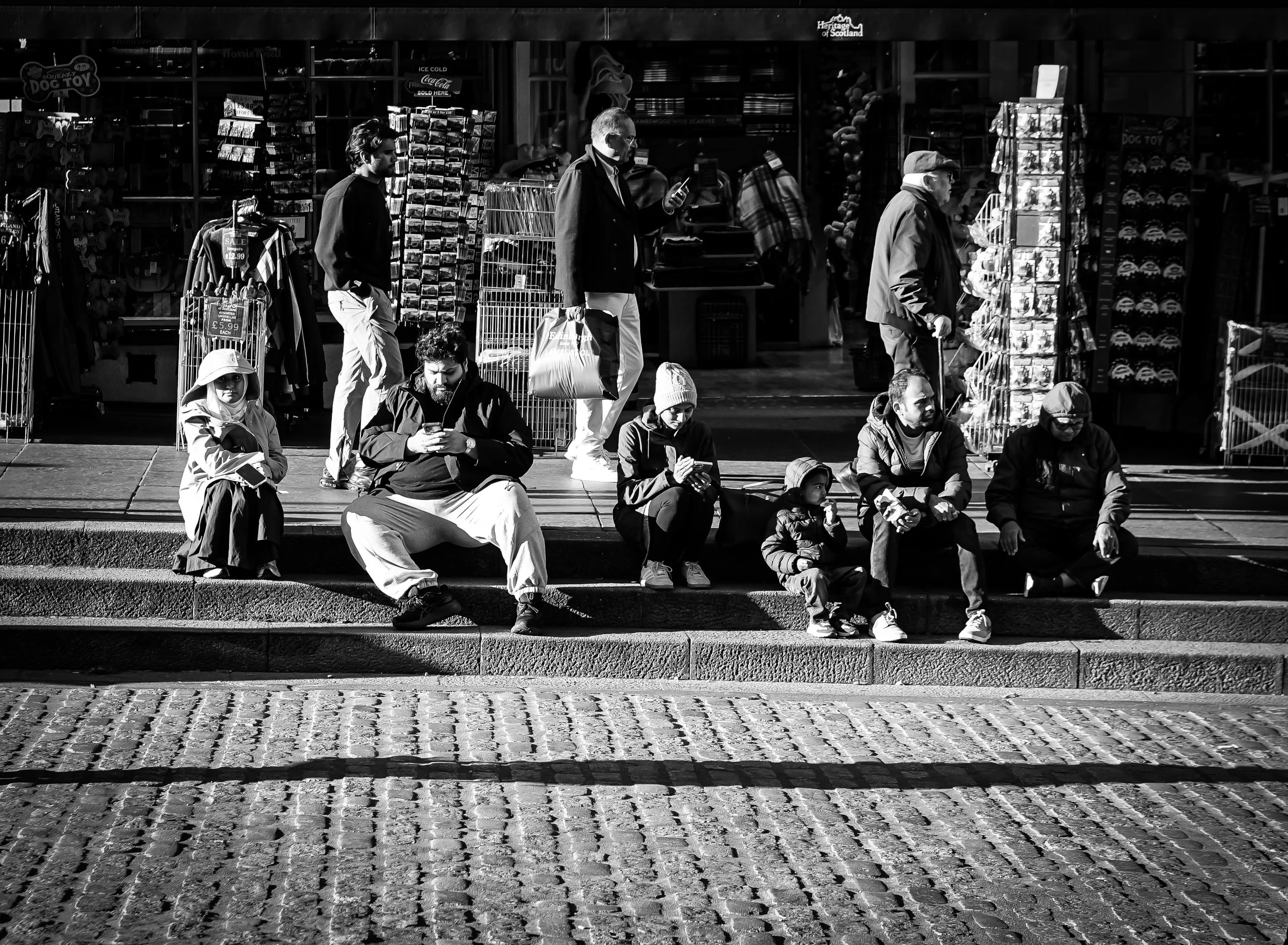
Street photograph by Jay Kronis, Edinburgh
Mental Space and the Practice of Looking
Photography can create mental breathing room.
Walking with a camera slows perception. It encourages a kind of sustained attention that feels increasingly rare in modern urban life. The act of looking carefully at light, posture, distance, or silence, becomes restorative.
My professional background in mental health inevitably influences how I see. I’m interested in how people inhabit space: how someone sits alone on a bench, how crowds form temporary communities, or how individuals carve out moments of solitude within busy cities.
Photography becomes less about documenting events and more about recognising states of being.
In this sense, the camera functions as an observational tool rather than a barrier. It allows engagement without intrusion.
Humans, Wildlife, and Shared Environments
Alongside street photography, I spend significant time photographing birds and urban wildlife. At first these felt like separate practices, but increasingly they appear connected.
Urban wildlife adapts constantly to human environments. Birds navigate architecture, traffic, noise, and shifting landscapes in ways that mirror human behaviour. Watching wildlife has changed how I photograph people; both reveal emotion through movement, distance, and presence.
A lone figure waiting at a bus stop and a bird pausing at the edge of water often express the same quiet tension.
These parallels have shaped my photographic approach. I’m less interested in dramatic action and more interested in coexistence, how humans and non-human life share emotional and physical environments.
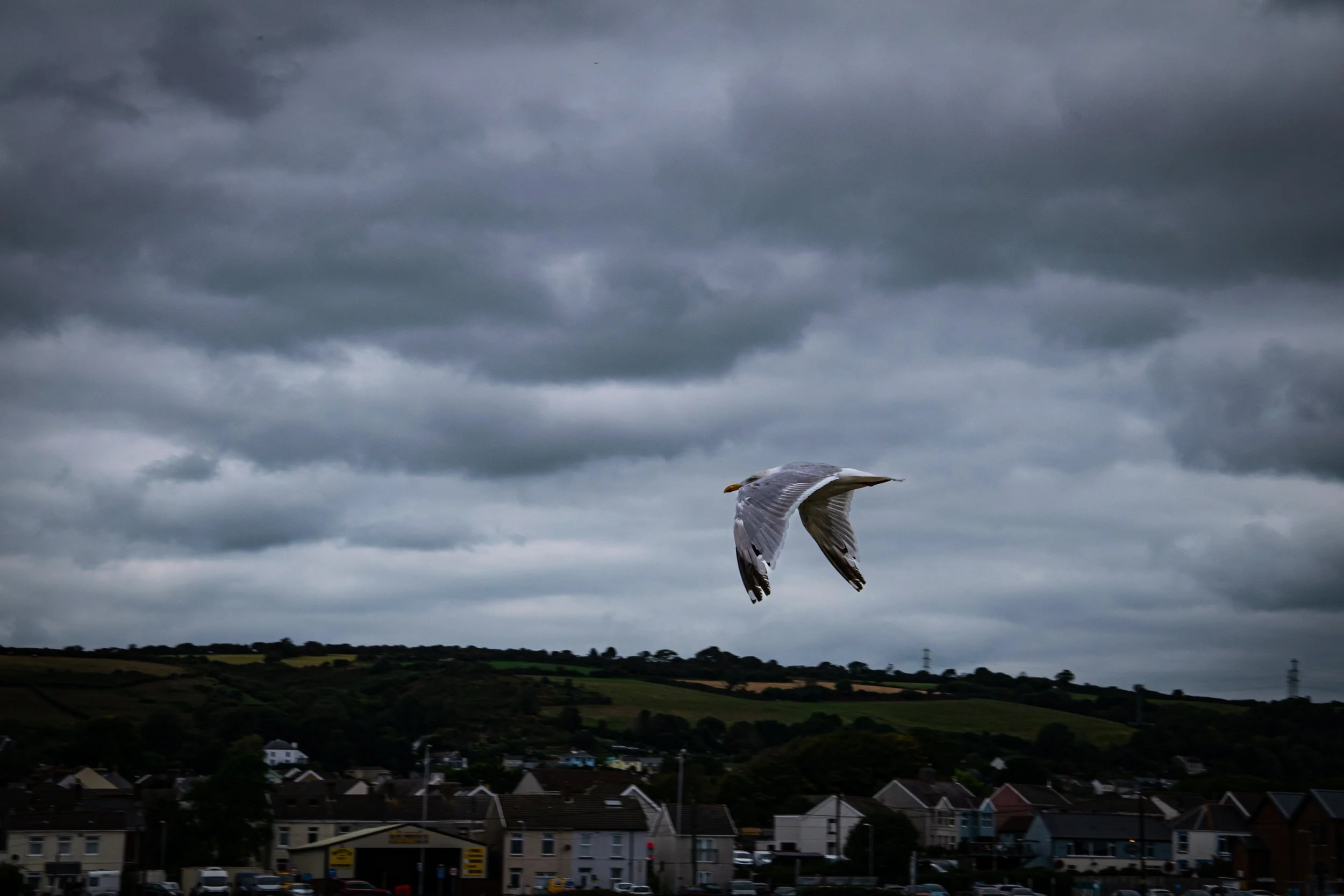
Bird photograph by Jay Kronis, Burry Port
The City as an Emotional Landscape
Cities are not just physical locations; they are psychological environments.
Light, architecture, weather, green space, and sound all influence how people feel and behave. Increasingly, my work explores how urban spaces affect mood and attention. Moments of calm often appear unexpectedly: reflections on wet pavements, birds occupying concrete spaces, or individuals finding stillness within movement.
These observations connect to wider conversations about environmental psychology, biophilic design, and the relationship between place and mental wellbeing. Photography provides a way of exploring these ideas visually before they are articulated academically.
The camera becomes a tool for studying how environments shape emotional experience.
Photography as a Quiet Practice
I don’t photograph to escape the world. I photograph to notice it more fully.
Quiet observation allows ordinary moments to become meaningful without needing spectacle. The images I’m drawn to rarely shout; they linger.
In an increasingly fast and noisy visual culture, choosing to photograph quietly feels like a deliberate act, one grounded in patience, curiosity, and attentiveness.
If there is a consistent theme across my work, it is this: moments of stillness exist everywhere, even within busy cities. We simply have to slow down enough to see them.
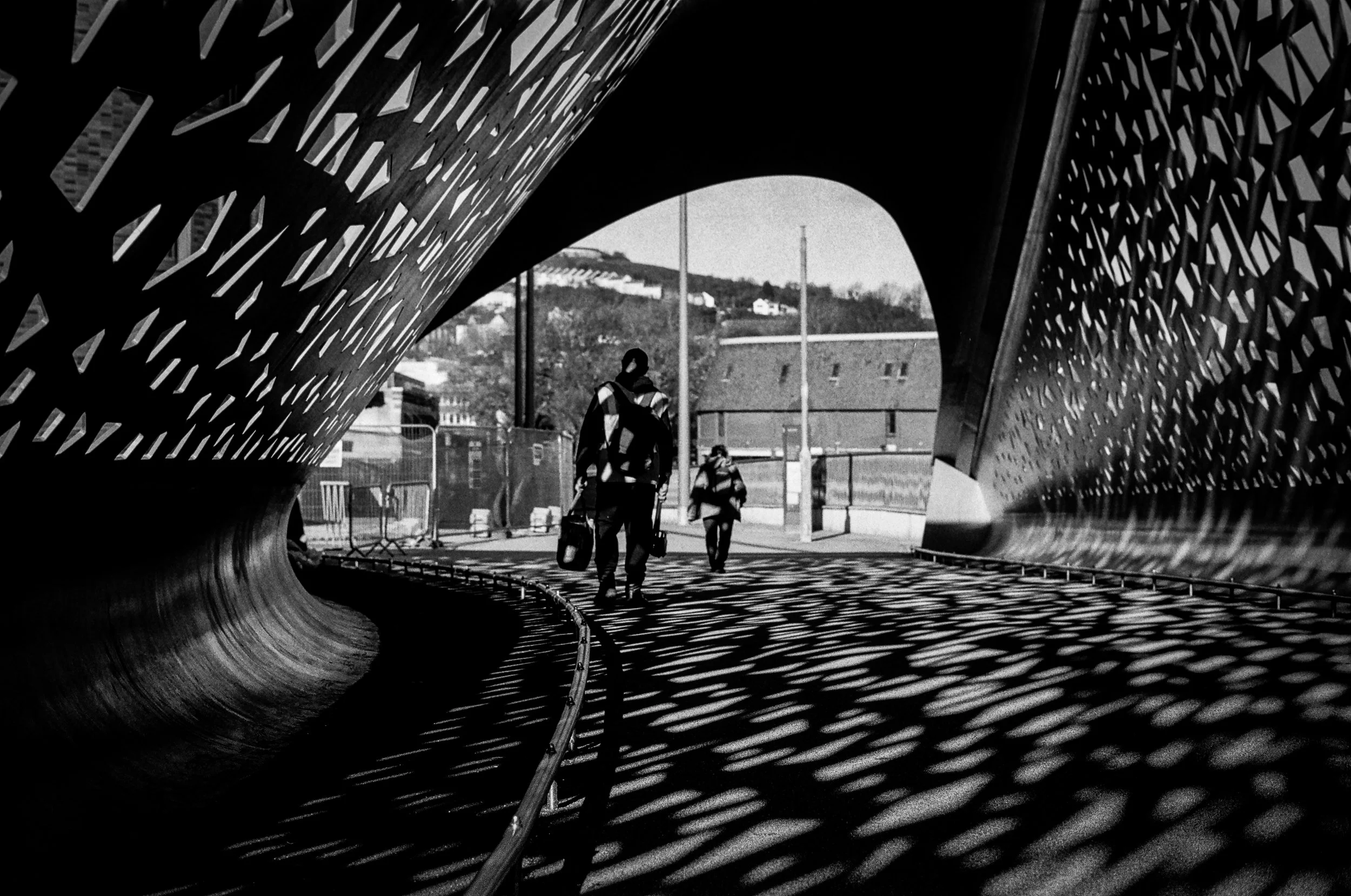
photograph by Jay Kronis, Swansea
You’re already here, so feel free to explore further. Throughout this website you’ll find my ongoing street photography, urban wildlife work, and long-form projects, all shaped by a shared interest in observation, environment, and quiet moments within everyday life. This blog forms part of that wider practice: a space to reflect on how photography, place, and attention continue to influence the way I see and document the world.
Later.
About the Author
Jay Kronis is a UK-based street and wildlife photographer whose work explores observation, environment, and quiet moments within everyday life. Alongside photography, he works in mental health care, an experience that informs his interest in attention, emotional space, and the relationship between people and place.